Showing posts with label christmas. Show all posts

2017-04-01

Our son's first visit to Douentza

Bilal and I had unexpectedly busy Christmases with our working lives, meaning our holiday time was limited.  We thought things would be less busy in the new year, but they weren't.  Eventually, we decided we just needed to take a holiday and work things around them.  There is always the temptation to procrastinate with taking holidays, thinking that a less busy time will come.  Apart from anything else, my due date for our second child is not far off.  I have no doubt I will soon have another distraction, as Bilal is looking forward to more children after then.


The fashion industry is composed of some very self-centred people who often don't understand that life is not all about them and their whims, so many people in my industry struggle to understand why I am happy with this and insinuate that I am some oppressed wife and Bilal is a misogynist who just views me as a breeding mare.  Me personally, I like big men like Bilal (he is a very big man, MDR) who are into adult pursuits like raising a family, rather than little boys who eschew responsibility and play computer games.  I view it as very manly for a man to be very attentive to children: - Bilal loves to take our son with him everywhere he goes.  A depot environment is no place for a baby, so he doesn't take him to work (I am sure he would if he could, MDR), but Bilal takes him everywhere else, including the gym (in spite of what anyone thinks of the sight of a very big man pumping iron with a small baby a few metres away).


We decided to visit Douentza, the town in Mali he is most closely associated with, though not exclusively, being born into a nomadic Touareg family: - we tend to travel to rural areas according to where his family's livestock are located.  We are on holiday now, so as to avoid the hottest times of year.


I have my tablet with me and recently bought some equipment for satellite broadband (as well as photovoltaic cells), as we plan to make regular trips to Mali.  Bilal was slightly perplexed by this, as is generally quite happy to avoid contact with the outside world when in Douentza.  Also, he is not particularly communicative with people other than friends and family anyway.  Furthermore, he is very hot on privacy: - he will very rarely agree to photos of him or our son, the conditions being that the photos are only stored on a hard drive in our home not linked to the internet (Bilal is worried about hacking).  As a result, his relatives in Mali have no idea what our son looks like, hence why they are particularly keen to see him.


Douentza is not exactly a place where an it-girl such as myself can live a life of glamour and luxury and the travel arrangements in Mali are a world apart from France's fantastic TGV system, saddened as I am by the lack of political will to build a new Marseille-Nice line, as it would make it easier for many high-society girls such as myself to enjoy the glitz of the Côte d'Azur.  A girl such as myself always loves her manicures and pedicures: - opportunities for this are very limited in Douentza, except when women are being beautified for their wedding (when the whole town stops).  I still love it though.  Given the lack of glamour, the arrival of an it-girl such as myself with her returning-son husband quickly becomes the talk of the town: - Bilal doesn't particularly like this from what I can tell.  Men try and pretend they aren't inclined to look at a super-attractive girl such as myself by observing the custom of turning their back when an unfamiliar woman is present, but Bilal knows better, hence why he comes along with me in public.  You can't blame them for trying to be respectful towards Bilal by not ogling me, lol.


Mali is topographically flat and boring, but the area around Douentza is unusually varied: - it sits in a gap between two mountainous areas.  Bilal enjoyed climbing them as a child and we both want our son to grow up to be rugged, though with more finesse than Bilal (e.g. not referring to women as well buff wifeys, MDR).  I am definitely enjoying being back.  I enjoy climbing up the mountains.  Most people would find this difficult with a baby in tow, but Bilal seems quite happy to carry him and all his paraphernalia.  Anyway, for now, we are enjoying the holiday and anticipating what life will bring with our second baby.  Bilal is looking forward towards the birth and future children: - some people talk about trying for children, but Bilal and I won't need to make any changes, him being the energetic man that he is.

2017-01-04

Christmas in France

I recently read a BBC News Online article about Christmas in France which paid particular attention to French Christmas cuisine: - rightly so, as it is far superior to what is available in the Anglo-Saxon world.  As mentioned in a previous blog post, Provence has some unique Christmas traditions of its own.  With the advent season drawing to a close, I will explain them (also with a focus on the culinary aspects), explaining where things are different in our family because we subscribe to reformed Christianity (rather than the false doctrines of the Church of Rome): - the 1689 confession, available in English and French, amongst other languages, is one of the few good things to come out the UK.


Some reformed Christians in France are too indifferent to celebrate Christmas, given the lack of a biblical obligation to do so.  There is nothing wrong with this, as clarified by Romans 14:5.  Me personally, I think Christmas has been a great thing, given its success in supplanting the pagan feast of Mithras: - it has been so successful that few people even know what that was about today.  In any case, as reformed Christians, there are very few special days in the calendar.


Bilal has no Christmas traditions of his own, as he is a Muslim convert.  Upon his conversion to Christianity, he refused to celebrate Eid-al-Adha and Eid-al-Fitr (two Islamic festivals), which naturally caused friction, but I think his family is thankfully now resigned to the fact that he is not going to regress to Islam.
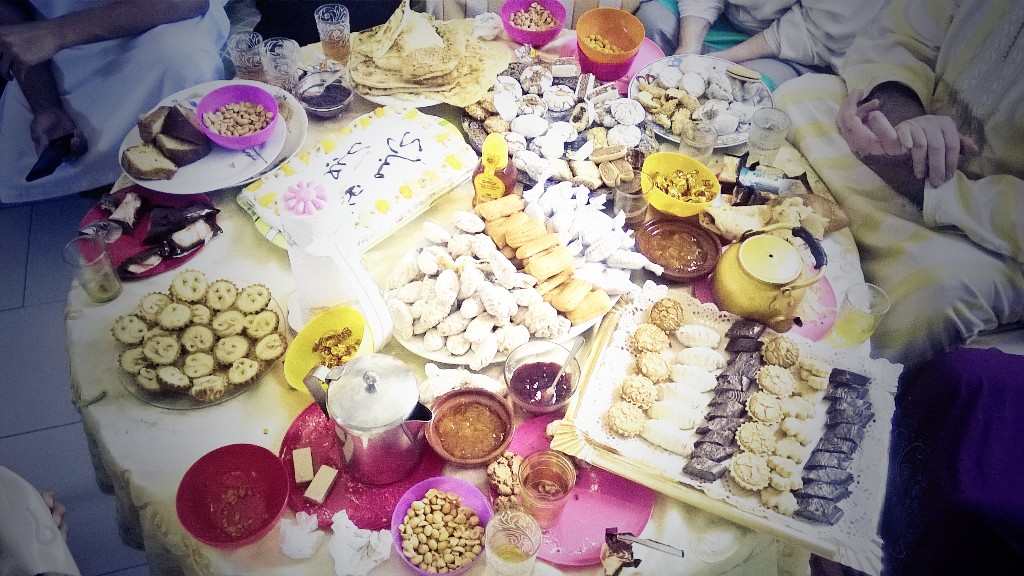

Traditionally, Provence has Le Gros Souper ("Lou Gros Soupa" in the local dialect), eaten before Midnight Mass (an Anglo-Catholic Tradition that we don't practice).  Le Réveillon is traditionally started after midnight on the night of the 24th/25th of December following Midnight Mass.  Whilst we don't have Midnight Mass, Le Gros Souper and Réveillon mirror the traditional timings with us.  Historically Church of Rome nations tend to finish their celebrations after that, with historically protestant nations (particularly Anglo-Saxon ones) having more on the 25th.  As a result, we tend to have a Christmas Day service instead of a Midnight Mass, so we plan our overnight stays so as not to be too tired for church the next morning (Christmas Day was on a Sunday this year).  This year's Réveillon and Déjeuner de Noël (Christmas Lunch) were relatively short, given the church activities on the Sunday.


Santa Claus is known as Père Noël ("Père" = "Father" and "Noël" = "Christmas") in France and children leave shoes, rather than stockings, for him.  As far as I know, nobody in our church bothers with this: - we tell our children early on what we want them to believe and what we don't, as there is enough confusion in our atheistic societies about what we should believe.  We want them to believe in God the Father, Son and Holy Spirit, so we tell our children about them, but we tell our children as early as possible that Santa Claus/Père Noël is based on Nicholas of Myra (Turkey), who was a bishop (in the incorrect Church of Rome/so-called Orthodox understanding of the word) many centuries ago and not alive today.


I said I would write about culinary tradition and haven't said much so far, so I will start.


Christmas meals in France tend to observe standard customs for apéritifs and digestifs, the former supposedly being to stimulate the appetite (admittedly not always desirable for a dainty Frenchwoman such as myself) and the latter to aid digestion.  As far as I know, there is no scientific basis for either, but that misses the point: - we French have a very sophisticated consumption of alcoholic beverages.  Obviously, champagne featured heavily: - though I long for the day when Provence produces alcoholic beverages as world-renowned as those of the historical Champagne region, like any Frenchwoman, I just adore champagne.  I just remembered that I am overdue a visit to Reims: - I am tired of hearing silly Anglo-Saxon people pronouncing it "raymz" (it is pronounced "ranz").


Canapés (known as amuse-bouches if they are free in an eating establishment) feature very heavily in French parties, particularly at Christmas, though I must admit, to a dainty Frenchwoman such as myself, they often make up a full meal!  Bilal has been into strongman training for many years and therefore tends to have a meal before a party, so that he is content to just have canapés until the meal is served, but I admit, France hasn't always been progressive regarding gluten-free cookery, so he often goes without: - poor Bilal!  I try to push people to accommodate him though, so as to expand his repertoire beyond jollof rice, MDR.  Canapés generally consist of bread, pastry or a cracker.  They tend to be salty or spicy, so as to get people to buy more drinks, but in most societies, it is the custom for savoury food to be served before sweet food anyway.  Vol-au-vents (above) are a very common canapé: - there are so many different fillings that go well with them, such as cream cheese, paté, fish paste etc.


Foie gras is a common French Christmas tradition, but it is not an acceptable food for us as Bible believers.  Granted, there are at least 10 passages in the New Testament saying all foods are acceptable to eat, but the cruelty inflicted on the ducks and geese (force-feeding so their livers become 10 times their normal size) is not something I can stomach (pun intended): - Proverbs 12:10 says that a good man is kind even to his animals.  However, we are more than happy to have paté where we have reasonable confidence in the welfare of the animals (a real Frenchwoman always looks into the provenance of her food, even if she might have a "bof" attitude towards animal welfare).  Given the coastal location of Provence, we often like fish-based patés, but they can be made with so many different fish, meat, vegetables etc.


Mireille Guiliano is absolutely correct when she talks about a Frenchwoman's preference for oysters (another Christmas food).  Given that only a small part of the physical area taken up is actually meat, they are a great way for a dainty Frenchwoman to eat less than she thinks and maintain her dainty figure.  There are various ways to season oysters, but even when eaten without seasoning, their taste is absolutely divine.  I expect to be making a few more visits to cities such as Brest to enjoy the oysters when the LGV Bretagne opens later this year: - I am hoping the timetable will be set up to allow good connections via stations such as Marne la Vallée-Chessy to avoid needing to cross Paris between Gare de Lyon and Gare Montparnasse stations.


Like the Anglo-Saxon world, turkey is very common at Christmas, though the chestnut stuffing is the main difference.  Silly British people tend to use bread-based stuffing, which is not feasible with Bilal (unless made with gluten-free bread).


Christmas logs (Bûches de Noël) are common (more so than the Anglo-Saxon world): - thankfully, most people have forgotten the pagan Yule festival that this tradition ultimately comes from, though maybe I would have reservations if it stirred up an interest in pagan culture again.  Silly British people tend to have a chocolate cream covering, but in France, people are much more sophisticated than that.  French Christmas logs have much richer flavours, including orange zest and cherry confit, plus their colours are much brighter.


Putting Provence's fantastic regional dishes to one side for one moment, various other French regions have unique Christmas dishes.  All of these dishes mentioned in the article I love, admittedly not as much as those from Provence.  They are: -

  • Capon (castrated rooster from Lauragais, between Toulouse and Carcassonne)
  • White sausages (from Rethel in Champagne-Ardenne)
  • Venison (deer meat from Sarthe, southwest of Paris)
  • Sea bass (southwestern France)
  • Stuffed goose (Alsace)
  • Lobster (Brittany)
I admit I haven't been to Toulouse very often, since it is not particularly easily accessible by train, particularly from Marseille.  However, I have managed to try capon.  Silly Anglo-Saxon people mock us when we claim we know from the taste if the rooster was castrated early in life: - I can confirm that we can tell, MDR.


Bilal came with me on a visit to Reims a while ago and was wary of the white sausages, as he was in the UK visiting his homies in Stratford and tried local sausages (silly British people stuff sausages with bread) and fell ill.  However, I checked and double-checked on his behalf that they were gluten-free, so we had them and he really liked them.


Venison is reasonably common in the UK, but the French method of preparation is far superior to the English one.  Interestingly, it was the Normans who introduced the term, MDR!  Sea bass and lobster are not unique to France either, but the preparation is far superior to anywhere else: - in France, a chef's trade is treated as a skilled craft, unlike pretty much anywhere else.


Stuffed goose (which uses apples, chestnuts and citrus fruits) is an acquired taste as far as silly Anglo-Saxon people are concerned.  In the run-up to Christmas, some English clients visited the Paris office of my magazine.  They were what are known in Britain as remoaners (a portmanteau of "remain" and "moan"), people who can't accept that the democratic will of the British people regarding Brexit, and therefore wanted to visit the European parliament whilst they were there.  They liked to act like they were cultured and aware, but didn't realise that this is in Strasbourg, not Paris!  Duh!  We therefore stepped on a train and were in Strasbourg 1h48m later (around 540km away).  They asked to try a local dish, so I found a restaurant serving stuffed goose.  They hated it because of all the sweet flavours: - silly Anglo-Saxon people struggle to understand sweet main courses.  For dessert, we had Alsatian Kouglof, which they didn't like either, as they were expecting something super-sweet, which turned out to be only a mildly-sweet brioche, MDR!


The desserts mentioned in the article are: -
  • Berawacka (Christmas fruit cake from Kayersberg, Alsace)
  • Calissons (I will cover this later)
  • Guinettes (sour cherries soaked in brandy and with a chocolate coating from Aquitane)
  • Mendiants (I will cover this later)
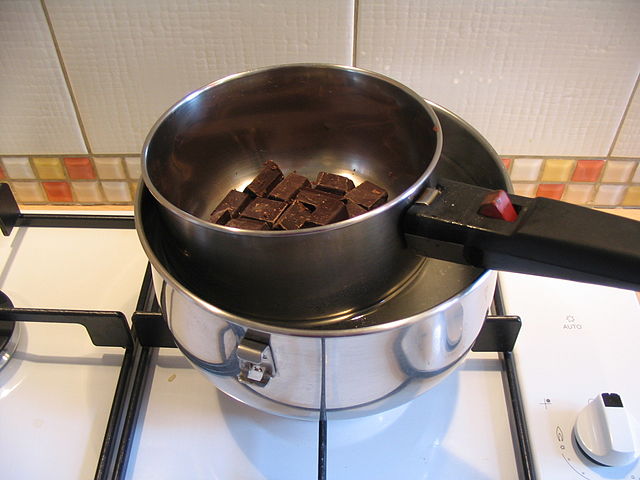
Christmas cake and pudding in the UK have some similarities with Berawacka, though they are nowhere near as sophisticated (my British visitors liked these).  Guinettes are always great for a Frenchwoman looking to make a meal with an air of sophistication for very little effort (soak the cherries, then melt the chocolate in a bain-marie before dipping the cherries inside).


Onto Provençal Christmas dishes.


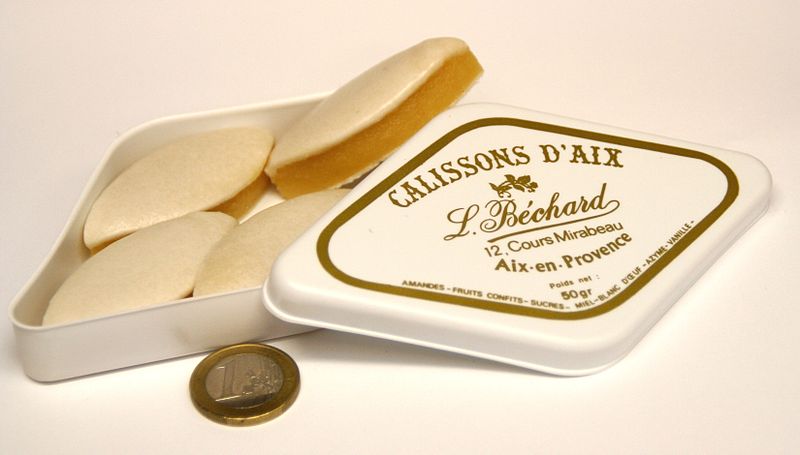
As mentioned, we have Les Treize Desserts, which often feature calissons, a sweet made of ground almonds and candied fruit, topped with icing.  Aix-en-Provence is famous for producing these: - you can get there via the local TGV station, but if arriving from the Paris direction, it is easier to go to Marseille and catch a TER (34 minutes) to the town centre station, particularly as some trains don't stop at Aix-en-Provence TGV.


I am not so fond of the superstition that traditionally existed with Les Treize Desserts (representing Christ and the 12 apostles), e.g. breaking the fougasse bread (1/13), rather than cutting it, so as to avoid being indebted.  Some people regard such an act of memory as being an act of religious devotion, but we regard such superstition as being badly unbiblical.


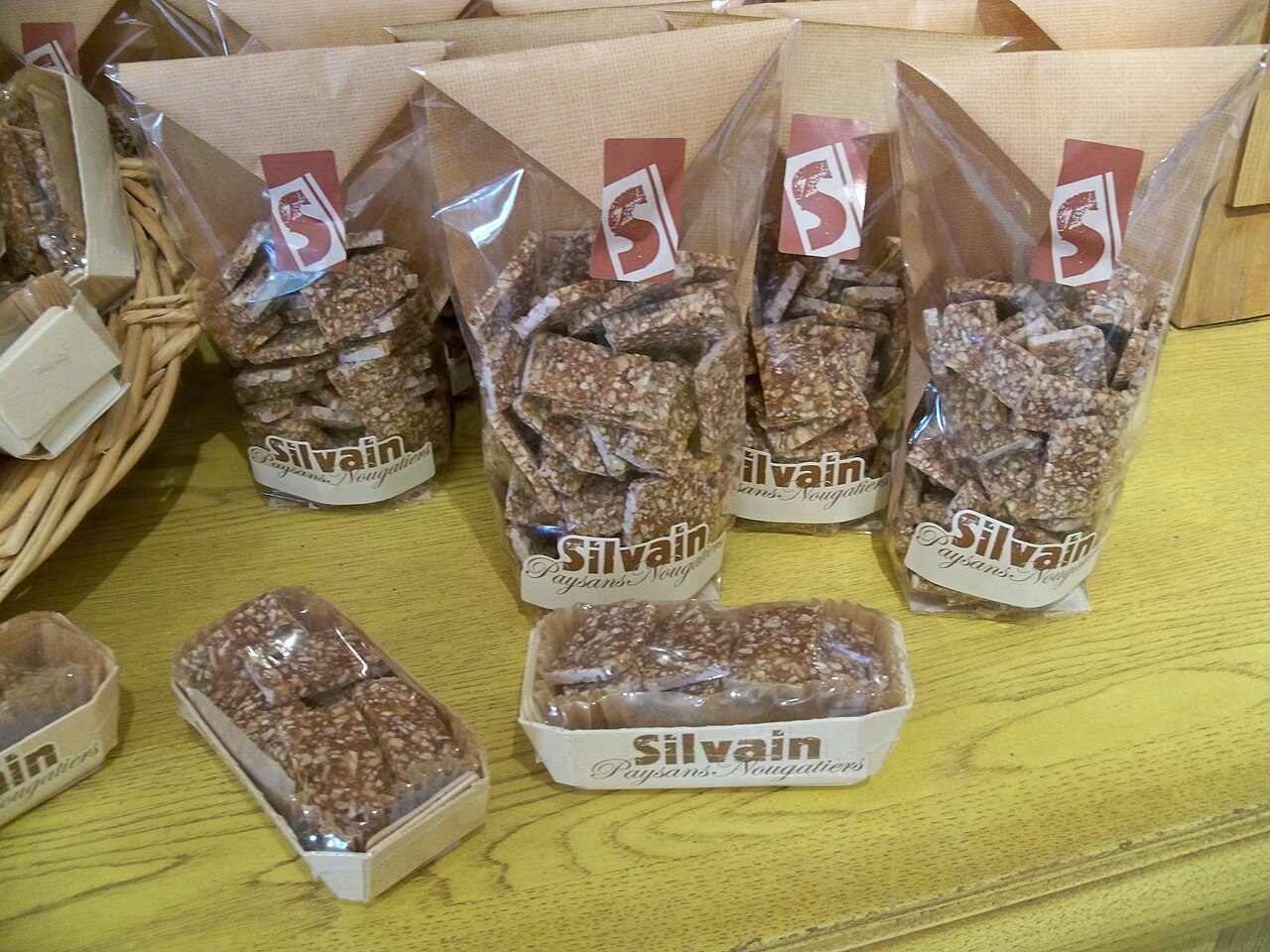
Nougat was traditionally eaten at Christmas, though less exclusively now.  Provence is famous for this, though a town famous for the production thereof (Montélimar) is just outside Provence.  Nougat is the soft variety (with eggs) and nougatine is the hard variety (without).  There are also white and black varieties: - hazelnuts, pine nuts or pistachios with white nougat and almonds and honey with the black.  Bilal loves nougat, as he likes sweet foods, but his coeliac disease limit his options (nougat being one).


Mendiants traditionally accounted for 4/13 of the desserts, the colours representing the gowns worn by the 4 separate monastic orders: dry figs (Franciscans), almonds (Carmelites), raisins (Dominicans) and hazelnuts (Augustinians).  There is a chocolate variant where one of each is put on top of a chocolate disc.  If I make them, I deliberately do numbers other than four, given our distaste for the Church of Rome.


Dates (representing Christ's eastern origins) are common and often stuffed with almond paste.  Another option for Bilal: - almond flour is a good substitute for wheat flour in cakes.  Quince paste and other fresh fruits are common, depending on local availability.


We had a very traditional Provençal Christmas, save for the exceptions mentioned.  Bilal is slowly warming up to this, given his family's traditional calendar.  Bilal wanted to celebrate Christmas more, but his parents made this difficult.  Now he is living with me, he is not subject to the same familial pressures.  He invited family members to join us: - naturally, they refused, just as we did with their Eid celebrations.  They find it difficult to accept that Bilal's new life with me and our son living away from their family home means it is harder to apply familial pressure.  In spite of all this, we had an absolutely fantastic first Christmas with our son and I look forward to many more traditional Provençal Christmases with Bilal and our children by our sides.
2013-12-25

French Christmas dinner is more stylish than any other

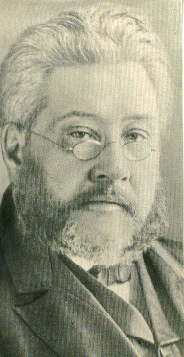
This year, I ate Christmas dinner with my own family plus Bilal: - his stupid parents won't have anything to do with Christmas.  Granted, some reformed Christians had no time for Christmas either, viewing it as an extra-scriptural obligation.  Charles Spurgeon dissented from this view to a small extent, saying, "However, I wish there were ten or a dozen Christmas-days in the year; for there is work enough in the world, and a little more rest would not hurt labouring people."

Eating Christmas dinner (known in French as "Le Gros Souper" and "Lou Gros Soupa" in Provençal), I thought to myself about how stylish we French are when it comes to what we eat at Christmas.  Le Gros Souper is traditionally eaten before Midnight Mass (which we don't have, as it is too Roman Catholic).

A recent survey showed that the British Christmas dinner was the least healthy in Europe and the French Christmas dinner the healthiest!  See!  Even the British media can't help but tell everyone how impossibly perfect we French are.  We don't want to put rubbish into our bodies, but we really do go to town when it comes to preparing proper Christmas dinners.  As I was born and raised in Provence, we naturally had the Thirteen Desserts.  No!  I do not mean thirteen excessively sweet desserts such as cupcakes as some stupid Americans might be inclined to think upon reading this!  In Provence, we are far more sophisticated than that.  Sweet things are not completely off the menu: - I make mention of Calisson, a Provençal dessert which is made of candied fruit and royal icing.  As you can see below, they are naturally made in dainty sizes that are appropriate for French women with dainty figures such as myself.
For people who cannot get by without sweet foods, a Frenchwoman also likes nougat blanc and nougat noir au miel at Christmas.  As for main courses, we have things including smoked salmon, chestnut stuffed turkey, roast chicken and that delicious French dish Foie Gras.  Hopefully nobody was daft enough to think we Frenchwomen would go fat-free at Christmas!  A Frenchwoman loves rich foods like Foie Gras and would never consider low-fat low-flavour options!
We do enjoy some healthy options as part of a traditional French Christmas dinner though.  These include melons, oranges, apples, pears etc.  Nuts are also included, particularly in Les Treize Desserts.  The British and Americans tend to buy them in huge quantities and so they are no longer regarded as a delicacy like they used to be.  It is the same with fruit.  In the immediate post-war era, British children were content with things like oranges in their christmas stockings, but now they want the latest X-Box One, PS4 and Wii-U games.  I would refer them to the book "Why French Children Don't Talk Back" by Catherine Crawford to remind them of the fact that we French know what we are talking about in everything, even child-raising.
As you can see above, Les Treize Desserts tends to include that delicious Provençal bread fougasse.  When I visited Asda in Gravesend a few weeks ago to teach the chav single mother how to feed her children properly, I came across some really awful imitations of French bread, but I am glad that I am in Marseille with proper fougasse easily available.  I couldn't stand being away from real bread for too long.  I don't know how I managed to get by in London being away from all these stylish foods as long as I did!  A Frenchwoman just adores (in the non-religious sense of the word) fougasse!
Let me not forget another dish (discussed somewhat out of sequence I know) is aigo boulido, another delicious thing that results in me feeling homesick when I am away from Provence for too long.  We French do not like to waste food and this is something we do with stale bread.  The ingredients are stale bread, fresh garlic, olive oil, salvia and water.  The end result is the stale bread soaked in the delicious juices made from the other ingredients.

One French tradition I am not so happy about is le cacho fio.  This is roughly equivalent to the British tradition of the Yuletide log.  The reason I don't like this is its very clear links to paganism, especially as it includes a libation (the pouring out of an alcoholic drink in honour of a god/deity or someone who has died).  Yes, it mentions God's holy name, but it is too heavily steeped in the occult for me to take it seriously as a religious prayer.  Also, the idea of pouring out a drink for God is pointless: - firstly, he created it anyway and secondly, as Jesus has offered his sacrifice once and for all on the cross (as Hebrews 10 makes clear), libations are absolutely pointless.  The ceremony involves the youngest person present reciting the following words (who is old enough to talk, MDR): -
"Alegre, Diou nous alegre, Cachofue ven, tout ben ven, Diou nous fague la graci di veïre l'an que ven Se sian pas mai que siguen pas men." (Provençal)
"Soyons joyeux, Dieu nous garde joyeux, Cacho feu vient, tout bien vient, Dieu nous fasse la grâce de voir l'an qui vient, Si nous sommes pas plus, que nous ne soyons pas moins." (French)
"May we be happy, God keep us happy, [if] Cacho's fire comes, every good thing comes, may God grant us the grace to face the year ahead, whether we be nothing more, or whether we be nothing less." (English)
But anyway, apart from le cacho fio, everything we French do when it comes to Christmas is infinitely more stylish than anything anyone else does, even if French society has become too atheistic to remember anything about why we are celebrating Christmas in the first place.  I am so glad I am not celebrating Christmas in a decidedly unstylish country such as the USA or UK.  I remember the Christmas I spent in the USA on business.  Apart from the substandard biscuits and sweets at parties, I remember a disgusting drink called eggnog.  I was shocked to see a photo of an eggnog carton with French writing on it in Wikimedia commons.  It appears that my francophone cousins in Québec have regrettably fallen for some awful American customs.  Why couldn't they keep in touch with their stylish French ancestry?  Who knows?
All in all, a lovely traditional French Christmas, minus le cacho fio.  Bilal enjoyed it.  He has always been a solitary person and as mentioned, his family has little enthusiasm for celebrating Christmas.  However, he said he really enjoyed the company of myself and my family.  In the unlikely event we want something different for Christmas next year, we could ask him to cook, though as Mali has always been a majority pagan nation (yes, Islam falls into that category), there isn't really any such thing as a traditional Malian Christmas dinner.  However, some Malian foods sound lovely and natural, such as Meni-meniyong, foutou banane, foutou igname etc, even if they aren't as stylish as French cuisine!  MDR.

2013-12-24

Remaining impossibly thin during the Christmas season

People have often asked me how I remain an impossibly thin during advent, the season to celebrate the birth of our Lord and Saviour Jesus Christ.  They talk about all the sweet foods and hearty dinners they attend at this time of year, basically indulging in gluttony during what was traditionally a penitential season.  As a supporter of reformed Christian doctrines, I have no time for all these imposition of fasts, penitential seasons etc by the Church of Rome (I don't like the term "catholic", as that word means "universal", which the pseudo-Christian Church of Rome is not). 

The reformed Christian readers of this blog might have heard of something called the Affair of the Sausages, where Ullrich Zwingli protested against the Roman Catholic fasting during lent as being an extra-scriptural obligation, following which Christoph Froschauer hosted an event to eat sausages during Lent in protest.  I don't know which type of sausages they used.  I hope they didn't use those disgusting sausages that one finds in British "fry-ups", say Lincolnshire sausages or chipolatas (that one feeds to dogs); yuck!
Sausages are something that we French know how to make far better than anyone else.  As a sophisticated Frenchwoman, I only eat French sausages.  Being from Provence, the type of sausage I view as being absolutely divine (in the non-religious sense of the word) is Saucisson d'Arles.  It is an absolutely delicious sausage that has some origins in Boulogne, a town in the far north of France.  However, it was brought to Arles (the home of Jeanne Calment, the longest-living person in the world) by a charcutier named Godart.  Traditionally, it was drunk with local rosé or white wine, though the people of Arles would accompany the sausage with pastis instead.  Yum!
Anyway, back to the topic.  As said earlier, being a subscriber to reformed Christianity, I don't do penitential seasons.  As a stylish Frenchwoman, I am always seeking to have as much pleasure as possible, hence another reason why I don't dig penitential seasons.  So how do I stay so skinny?  Simple.  The same way I have always done.  By eating extremely dainty portions and only of food of the highest quality.  I was once in the USA over Christmas and when I attended parties, I would see fatties munching their way through mediocre sweets (known as "caaaaaaaaaaayndy" there") and biscuits (known as "cookies" there).  Apart from my dislike of hearing Americans murder the English language, it made me feel physically sick, MDR.
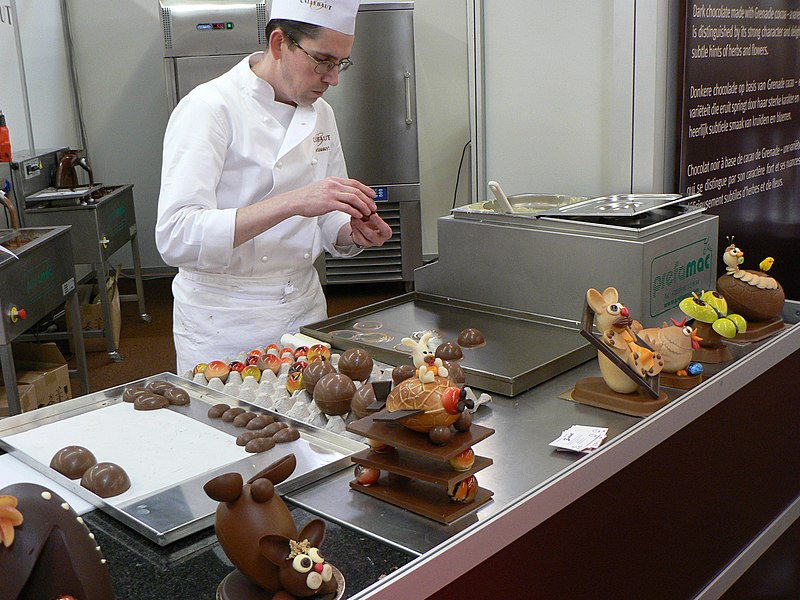
So how did I stay thin?  Simple: - apart from the fact that most American confectionary is simply too disgusting to allow between my lips (often on account of being too sweet for a sophisticated Frenchwoman such as myself), the strategy I use is as follows.  Instead of spending the whole evening munching my way through substandard sweets and biscuits, I restrict myself to one or two chocolates tasting absolutely divine!  Often, such chocolates were hard to come by at American Christmas parties, so I often used to sneak a bar of very dark chocolate into the party in my handbag, or perhaps something posted over from Marseille from my local chocolatier in Marseille, MDR.
On one occasion, one of my hosts noticed me sneaking a chocolate from my handbag and she was 'avin' the 'ump with me, asking me, "Is my cooking not good enough for you?  Would you rather be at Buckingham Palace instead of here?"  I told her it wasn't my fault she didn't know how to cook and exercise proper discernment about food, which resulted in her having kittens (another interesting phrase my mother taught me), which resulted in me just turning my back to her and resuming my conversation from which I had been interrupted by her.  So rude!  Thankfully, some high-class people in the USA mercifully invited me to their parties and they were sophisticated enough to import Belgian chocolates, so that Christmas wasn't all bad.
So what to do if you are attending lots of Christmas parties?  Apologies for the late nature of this advice, but one can use it on Christmas Day I suppose.  As mentioned, only have one or two absolutely divine chocolates.  If you are going to have more, make sure the portion sizes are suitable for a dainty Frenchwoman and if not, say, "La moitié, s'il vous plaît" ("Half of that, please"), if halving it is what it would take to get it down to a suitable size.  Just in case your host doesn't know how to cook and you are in an unsophisticated country like the UK, I have done a quick price comparison for Lindt & Sprüngli 90% cocoa chocolate: - http://www.mysupermarket.co.uk/asda-compare-prices/block_chocolate/lindt_excellence_dark_chocolate_supreme_90_cocoa_100g.html .  The comparison mercifully shows that Waitrose is selling it at the lowest price at present, so what I recommend is buying this and secretly keeping some in one's handbag in case all the food is low-quality.
All in all, anyone following my advice (not just here, but throughout my blog posts) should emerge from Christmas and New Year no less dainty than before.  Merry Christmas everyone!